Special Projects Engineering

For projects that don't fit a standard category, spanning disciplines, jurisdictions, or borders. Delivered across the Southwest and internationally, since 1987.

  • SDVOSB Certified
  • Cross-Border / CFE Coordination Experience
  • Cross-Border / CFE Coordination Experience
  • ISNetworld RAVS Compliant
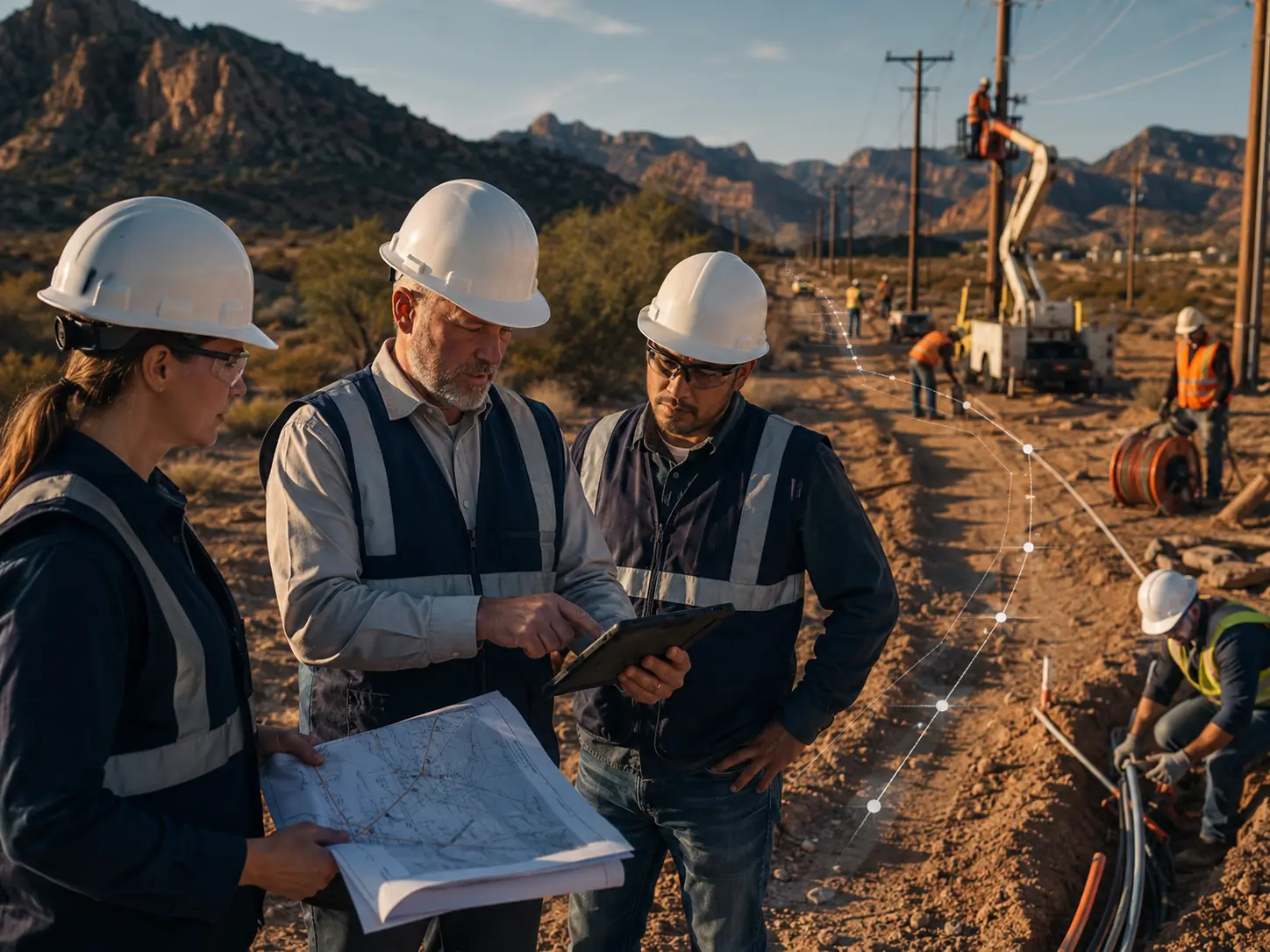
ARUSI engineering team coordinating a complex multidisciplinary utility project

Unusual Projects Fail in the Gaps Between Vendors. Somebody Has to Own the Whole Path.

On a project that doesn't fit a standard category, the thing that breaks is rarely the drawings. It's ownership. Scope drifts, costs run open-ended, and the project stalls in an approval process nobody planned for, while mobilized resources wait. And because special projects are visible projects, new capability, new market, new territory, the failure lands on the executive who sponsored it.

ARUSI takes ownership of the whole path. We scope what's known, name what isn't, and build change control in from day one, so budget stays controlled while scope is still being discovered. Where a project crosses into an unfamiliar utility or a foreign regulator's review, we've run that path before.

We're a Service Disabled Veteran-Owned Small Business based in Phoenix, applying utility-program rigor to projects that don't fit anyone's standard category, since 1987.

— How We Work

What Makes Working With ARUSI Different

Most firms run a standard playbook. Special projects don't have one. The difference is a firm that can scope the unknown and control it.

01

Cross-border delivery.

ARUSI has carried telecom infrastructure engineering across multiple international sites through foreign utility review, including on-the-ground site work and direct coordination with the client's program team. Few Phoenix-area firms can point to working cross-border utility experience.

02

Documented change control.

Formal change orders, not-to-exceed caps, and itemized cost documentation. On projects where scope is discovered as you go, this is the difference between a controlled budget and an open tab. It's exactly what a burned client is looking for.

03

Utility-grade rigor on one-off projects.

The same QA/QC and standards discipline ARUSI runs on utility program work applies here. Special projects get program-quality process, not improvisation.

04

Principal-level accountability.

ARUSI is sized so special projects get executive attention. Commitments are signed at the principal level, and you're never three layers from a decision-maker.

— What We Do

Special Projects Engineering

If your project spans disciplines, jurisdictions, or borders, or simply doesn't fit anyone's standard category, it fits here.

Foreign Utility Review

Cross-Border & International Coordination

Engineering and utility coordination for international infrastructure sites, including submittals through a national utility's interconnection review and on-the-ground site support.

Discipline-Spanning

Non-Standard Scope Engineering

Projects that cross disciplines, agencies, or borders and don't map to a standard vendor category. ARUSI takes coordination ownership of the whole path.

NTE Cost Caps

Change-Controlled Delivery

Phased execution with documented change orders and not-to-exceed caps, so cost stays controlled while scope is still being discovered.

Submittal-to-Approval

Authority & Utility Coordination

Driving submittals, responding to reviewer comments, and supporting in-person coordination where a project requires it, including internationally.

Scope the Unknown

Feasibility Studies & Scoped Investigations

Feasibility studies and scoped investigations that define the unknown quickly, through to full design-and-coordination engagements with construction-phase support.

— The Engagement

How a Typical ARUSI Engagement Works

No ambiguity about how the work starts or how it moves. Here's what to expect.

1

Problem definition

You bring the problem statement, even a rough one. ARUSI scopes what's known, names what isn't, and identifies the approval path before anyone prices anything.

2

Proposal with honest unknowns

Defined scope, deliverables, and fee for what can be defined. Stated assumptions and a change-control mechanism for what can't. Exclusions in writing.

3

Kickoff and stakeholder mapping

Client stakeholders, reviewing authorities, and third parties identified. Communication cadence and decision points set.

4

Phased execution

Engineering and design delivered in phases sized to the approval path, under the same QA/QC discipline as ARUSI's utility program work.

5

Authority and utility coordination

ARUSI drives submittals, responds to reviewer comments, and supports site visits and in-person coordination where the project needs it, including internationally.

6

Closeout and handover

Final deliverables, as-built documentation, and a clean record of every scope change and approval, the project file you need for audit, funding, or the next phase.

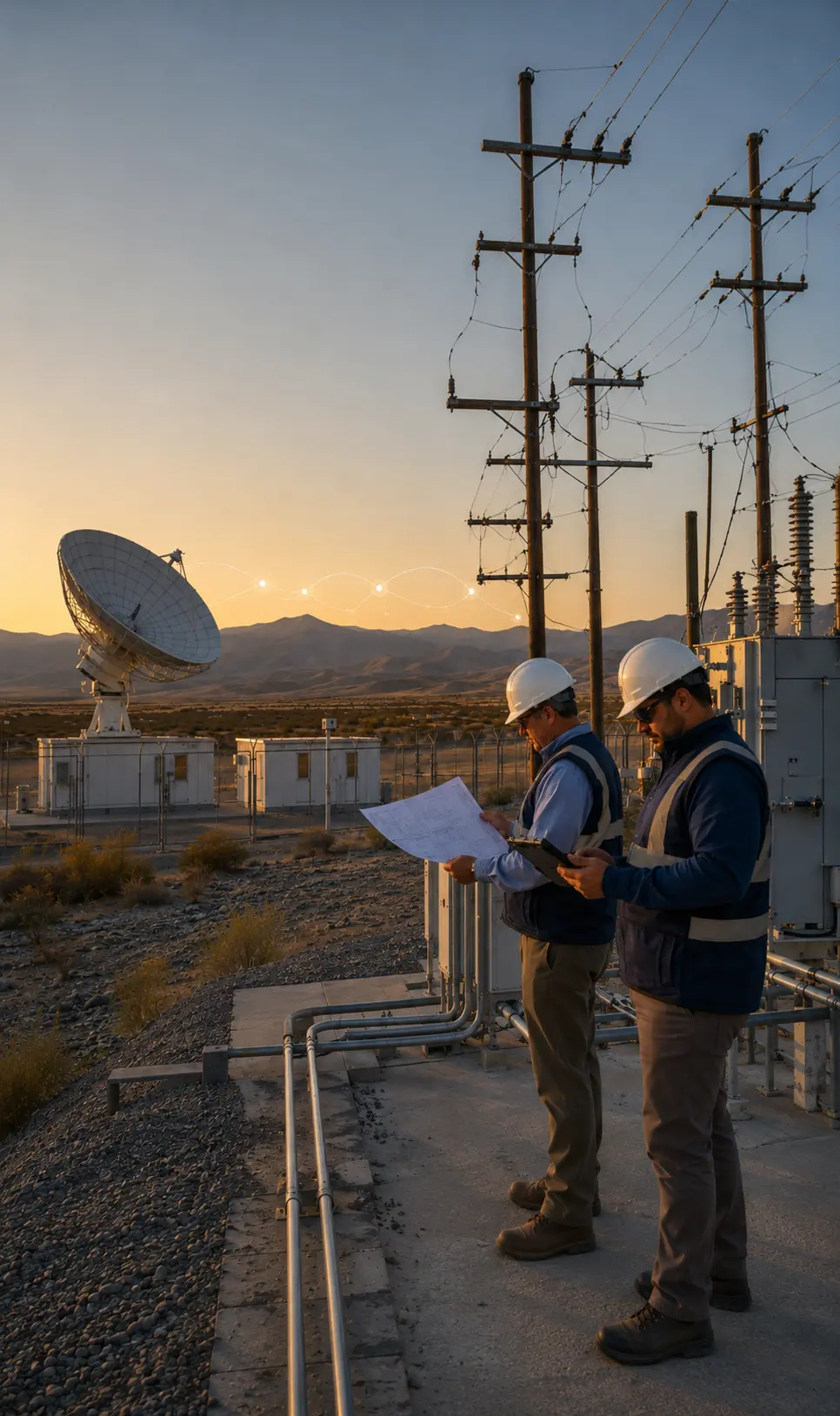
ARUSI engineers reviewing utility interconnection plans at a telecom ground station in Mexico
— A Real Project

Cross-Border Telecom Infrastructure Program

A US client's schedule running through a foreign utility's review, with scope still evolving and nobody yet owning the whole path. US-based telecom infrastructure provider

The Situation

A US-based telecom infrastructure provider needed engineering and utility coordination for three ground-station sites in three Mexican states. Each site required interconnection review by the national utility, and the program carried cross-border logistics and site-level scope that was still evolving.

What ARUSI Did

ARUSI carried the engineering support and utility coordination across all three sites in parallel, executed in-person site work in Mexico, and ran every scope evolution through documented change control with not-to-exceed cost caps.

The Outcome

The program's cost record stayed clean while scope was discovered, and the three sites advanced through utility review in parallel.

— Answers

Frequently asked questions

Yes. ARUSI has delivered telecom infrastructure engineering across multiple international sites, including coordination through a national utility's interconnection review and on-the-ground site support.

ARUSI runs special projects with documented change orders, not-to-exceed cost caps, and itemized cost documentation, so the budget stays controlled while scope is discovered.

Yes. ARUSI's special-projects practice is built for work that spans disciplines, jurisdictions, or borders and doesn't map to a standard vendor category, applying utility-program QA/QC to one-off scopes.

ARUSI's primary NAICS codes are 541330 (Engineering Services), 541340 (Drafting Services), and 541370 (Surveying and Mapping Services). It also works under 237130 (Power and Communication Line and Related Structures Construction).

ARUSI is headquartered in Phoenix, Arizona, at 4720 E Cotton Gin Loop #140, Phoenix, AZ 85040. It has served clients across Arizona and the Southwest since 1987.

Yes. ARUSI's SDVOSB status and enterprise certifications let national firms meet set-aside and small-business goals while keeping local engineering depth on the team. ARUSI bids as both prime and subcontractor.

— Trust Signals

Certifications & Credentials

SDVOSB
Service-Disabled Veteran-Owned Small Business
DBE
Disadvantaged Business Enterprise — Arizona Unified Certification
SBE
Small Business Enterprise — City of Phoenix
ISN
ISNetworld RAVS
— Get Started

Ready to Talk About Your Project?

bring the problem statement, even a rough one, and ARUSI will scope what's known and name what isn't.

We respond within 24–48 hours.